DEXA Bone Scan Preparation: What Do You Need to Know
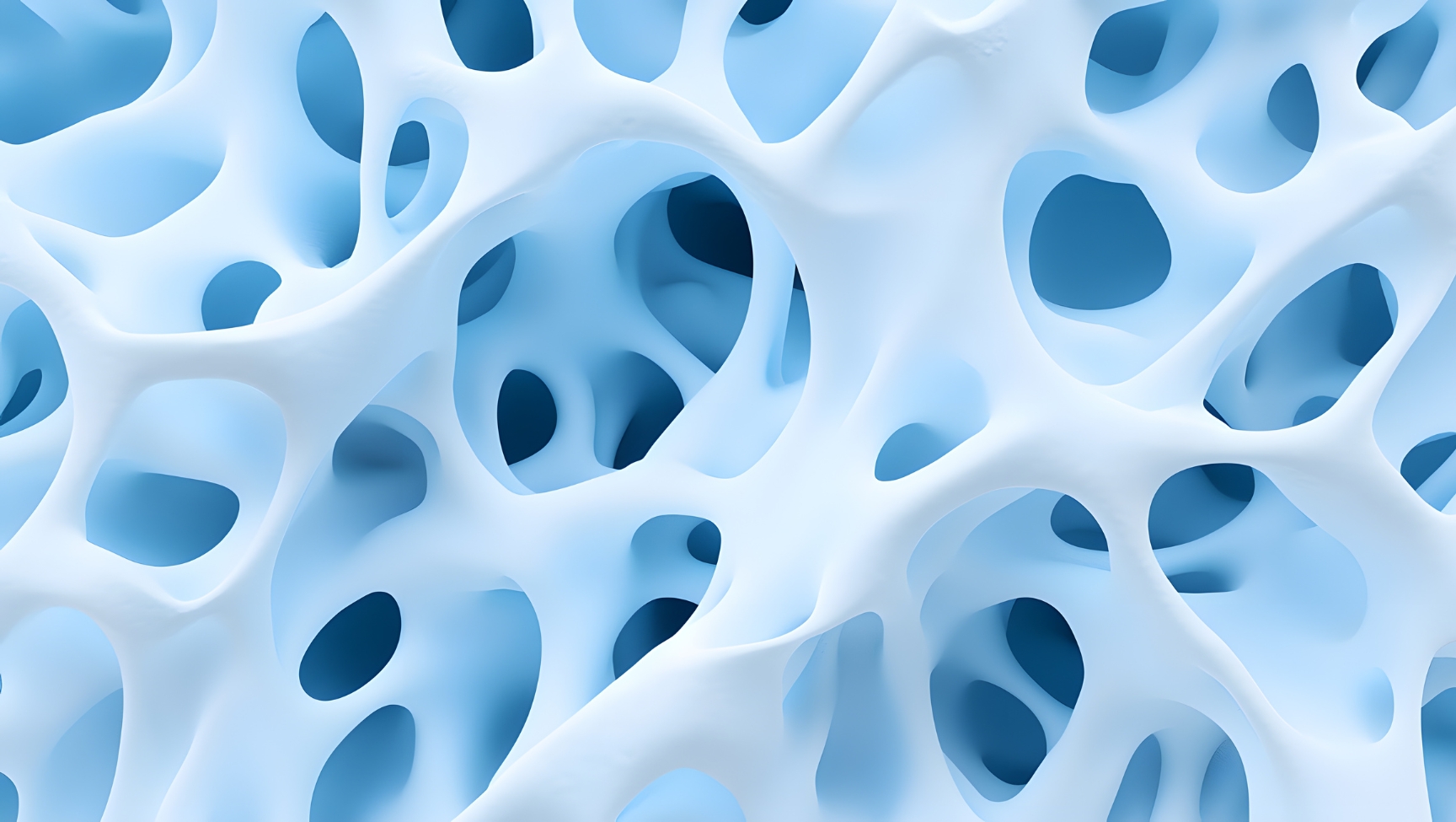
Evaluating your bone health is crucial for preventing osteoporosis and reducing your risk of fractures as you age. A DEXA bone scan, also known as dual-energy X-ray absorptiometry (DXA), is the gold-standard test used to measure bone density and assess overall skeletal strength.
Correct DEXA bone scan preparation helps ensure the most accurate test results, allowing your healthcare provider to detect changes in your bone mass early. Whether you’re a healthy young adult checking your peak bone mass or an older client managing osteoporosis, understanding how to prepare for your scan ensures a faster procedure and more accurate results.
In this article, we will focus on the benefits of a central DEXA scan. Unlike the peripheral device, which focuses on the forearm and heel, the central DEXA equipment evaluates your overall bone health. We will explain how to prepare for your next bone densitometry appointment and what to expect during your visit.
What Is a Central DEXA Bone Scan?
Central DEXA scan is an advanced diagnostic test that measures bone density and evaluates body composition to support both musculoskeletal and metabolic health. It’s considered the gold standard among bone density tests, allowing your healthcare provider to assess your fracture risk, detect osteoporosis, and monitor bone loss over time.
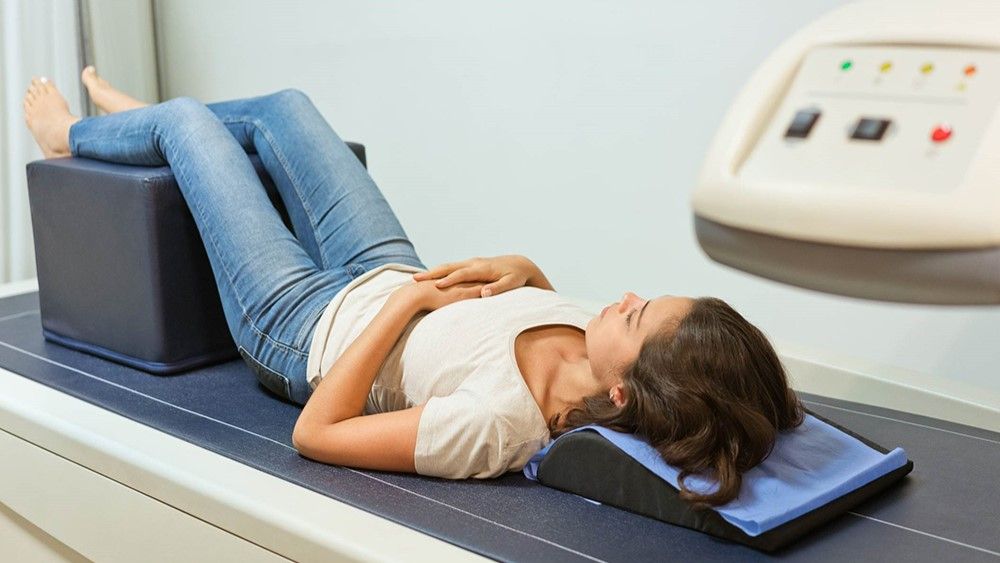
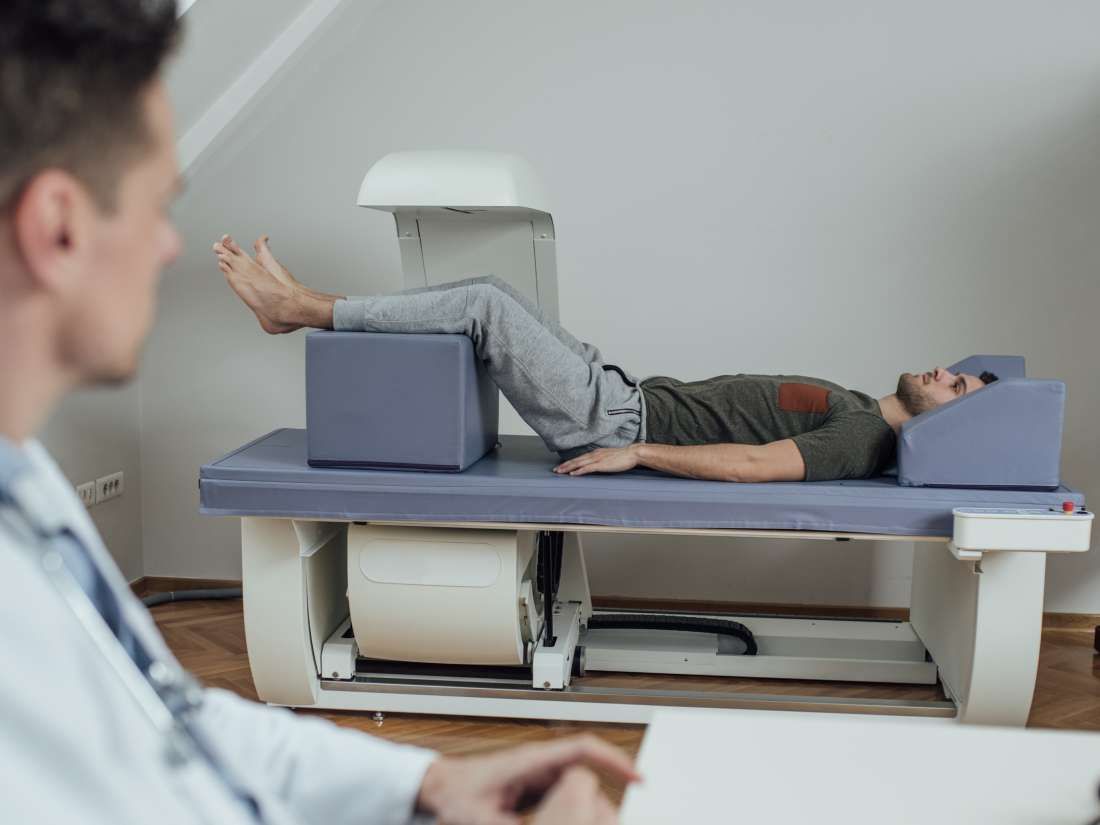
During the bone densitometry procedure, you lie flat on a table while an X-ray detector and scanning arm move slowly over your body. The system emits two X-ray beams at different energy levels to distinguish between bone mineral and soft tissue, providing precise measurements of bone mineral density (BMD) and bone mineral content (BMC). These readings indicate the amount of calcium and minerals in your bones, providing a detailed picture of your overall bone health.
A central DEXA scan typically focuses on the hips and lower spine, areas that are most vulnerable to vertebral fractures and low bone mass. The procedure is quick and painless with minimal radiation exposure compared to a regular X-ray.
Because of its precision and reliability, the central DEXA scan remains the preferred tool for diagnosing osteoporosis, identifying risk factors, and guiding prevention plans to reduce fracture risk and maintain long-term bone strength.
Why You Might Need a DEXA Scan?
A central DEXA scan provides valuable insights into your overall bone health, enabling you and your doctor to make informed decisions about prevention, treatment, and long-term wellness. Unlike smaller peripheral tests, the central DEXA provides a comprehensive view of your skeletal strength by analysing major bone sites, including the hips, spine, and total body composition.
Detect Early Bone Loss
Central DEXA identifies even subtle changes in BMD before symptoms appear. Detecting bone loss early allows your healthcare provider to act quickly, reducing your fracture risk and helping you preserve bone strength as you age.
Diagnose and Monitor Osteoporosis
As the gold standard for osteoporosis diagnosis, central DEXA measures BMC with unmatched accuracy. It helps your provider determine whether your bones fall into the range of low bone density, osteopenia, or osteoporosis, according to World Health Organization criteria. Regular follow-up scans show how well your bones respond to lifestyle changes or prescribed treatments.
Evaluate Fracture and Fall Risk
Because the scan focuses on weight-bearing bones, such as the lower spine and hips, it accurately shows the odds of developing a vertebral fracture or hip fracture. These areas are vital for maintaining balance, stability, and independence as you age.
Guide Personalized Treatment Plans
By analysing the results of a central DEXA scan, your provider can create a tailored plan to strengthen your bones and improve metabolic wellness. The scan’s precision supports the safe use of certain medications, optimizes vitamin D and calcium intake, and helps manage hormone levels like testosterone, which influence bone formation.
Support Overall Musculoskeletal Health
Because it measures more than just density, the central DEXA scan acts as a foundation for maintaining strong bones, flexible joints, and balanced body composition. Its detailed analysis helps prevent brittle bones, maintain posture, and support lifelong mobility, making it an essential tool for healthy ageing.
How to Prepare for a DEXA Bone Scan?
Preparing for a central DEXA scan is simple and ensures that your results are as accurate as possible. The test itself is quick, non-invasive, and requires little effort from you. However, following a few key steps beforehand helps your healthcare team capture precise, reliable measurements.
Dress for Comfort
Wear loose, comfortable clothing without zippers, buttons, or any metal objects such as buckles or hooks. Metal can interfere with the scan’s ability to read bone tissue accurately. If your outfit contains metal, you may need to change into a gown before the procedure. Remove any jewellery, belts, or watches before entering the scanning room.
Skip Supplements Before Your Appointment
Avoid taking calcium or vitamin D supplements for at least 24 hours before your scan. These nutrients can temporarily elevate mineral levels in your body and slightly affect the reading of your bone density. Continue taking all other prescribed medications unless your doctor instructs otherwise.
Consult Your Healthcare Provider
Let your provider know if you recently had an imaging test that involved contrast dye, such as a CT scan, MRI, or barium exam. These materials can interfere with the X-ray detection process, so you may need to reschedule your DEXA appointment for a few days later. You should also mention if you are pregnant, have metal implants, or have had recent back or hip surgery.
Eat and Drink Normally
There’s no need to fast before the scan. You can eat and drink as you normally would, though a light meal beforehand may help you stay comfortable while lying flat during the test. Whatever the case, a Verve Wellness X-ray technologist can stop the bone density scan if there's something amiss.
Relax Before and During the Scan
The central DEXA scan is a quick and painless procedure that usually takes 10 to 20 minutes. You’ll lie still on a table while the scanning arm moves slowly over your hips and spine. The process is entirely safe and quiet, with minimal radiation exposure.
By following these simple steps, you can help ensure that your scan produces precise and accurate results. This will allow your healthcare provider to assess your bone health with confidence and precision.
What Happens During the Bone Density Scan?
When you check in, a staff member will ask you to remove any metal accessories such as jewellery, belts, or clothing with metal fasteners (if you haven't done so previously). You’ll then be guided to lie on a table positioned beneath the scanning device. The technician will help you get comfortable and ensure your hips and spine are properly aligned for accurate imaging.
- The scanning arm moves slowly above you, capturing detailed images of your bones while you remain still.
- The scanner uses a very low dose of X-rays, so you won’t feel anything during the process.
- The machine measures the amount of the X-ray beam that passes through the bone and surrounding tissue.
- The results provide your doctor with precise information about bone strength and structure.
- You can breathe normally, but you’ll need to stay as still as possible to ensure clear images.
The procedure doesn’t require injections, contrast dyes, or any recovery time. Most people describe it as calm and comfortable, similar to lying still for a short rest. Once the scan is complete, you can get dressed and continue with your day.
The entire experience is designed to be efficient and stress-free, giving your healthcare provider accurate data for assessing your bone health and overall well-being.
What Happens After the Scan?
Once your central DEXA scan is complete, you can return to your usual routine immediately. There’s no recovery time, no restrictions on diet or activity, and no discomfort after the procedure. Your healthcare team will review the images and prepare a detailed report for your doctor to interpret.
Your results typically include two scores:
- T-score compares your bone density to that of a healthy young adult at peak bone mass.
- Z-score compares your results with those of others in your age and body type group.
According to the World Health Organization, a T-score of –1.0 or above is considered normal, while lower values suggest low bone density or osteoporosis. These scores help your doctor determine whether your bone strength falls within a healthy range or shows signs of thinning.
Based on your results, your doctor may:
- Discuss lifestyle adjustments such as changes in diet, exercise, or supplementation.
- Review any current medications that might affect bone strength.
- Recommend follow-up scans to monitor bone density over time.
You won’t experience any side effects or restrictions after the test. The entire process is designed for convenience and accuracy, providing valuable insight into your long-term skeletal health.
Verve Wellness: The Best Place for Your Next DEXA Scan
Verve Wellness performs advanced central DEXA scans using state-of-the-art technology to give you an accurate view of your bone strength and body composition.
Whether you’re tracking bone health, monitoring treatment progress, or optimising overall wellness, our specialists help you understand your results clearly and confidently. Book your DEXA scan with Verve Wellness today and take the next step toward stronger bones and long-term wellbeing.
.png)

.jpg)